A plumbing inspection from Done is a systematic evaluation of your home’s entire water supply, drain, and fixture system — not just a quick look under the sinks. The goal is to identify existing problems, catch early-stage issues before they fail, and give you an honest picture of your plumbing’s condition so you can plan maintenance and repairs on your own schedule rather than responding to emergencies. Most residential inspections take two to three hours depending on home size and what’s found.
Before the Technician Arrives
Before your inspection, it’s helpful to note any symptoms you’ve observed: a fixture that drains slowly, a toilet that runs occasionally, a water bill that’s been higher than usual, or a damp smell in the basement. These observations help the technician prioritize where to look first. It’s also useful to know the age of your water heater, whether your home has a water softener, and the age of the house if you know it — older Denver homes (pre-1970s) often have galvanized steel supply pipes or clay sewer lines that need closer attention.
Water Supply System Inspection
The technician begins with the incoming water supply: checking the main shut-off valve for operation, testing incoming water pressure, and inspecting the pressure reducing valve (PRV) if one is installed. Denver-area homes frequently have incoming street pressure above the 80 PSI residential maximum — a PRV in good condition is the only thing standing between that pressure and your fixtures and appliances. A failed PRV is a common finding in homes built in the 1990s and 2000s, as these valves typically last 7–12 years.
Supply lines throughout the home are visually inspected for signs of corrosion, mineral scale accumulation, and joint weeping. In homes with copper supply lines, the technician looks for green oxidation at joints and fittings — an early sign of corrosion that precedes pinhole leaks. Accessible shut-off valves at each fixture are checked for operation; valves that haven’t been exercised in years can seize, which becomes a problem when you need to shut off supply quickly during a fixture failure.
Water Heater Evaluation
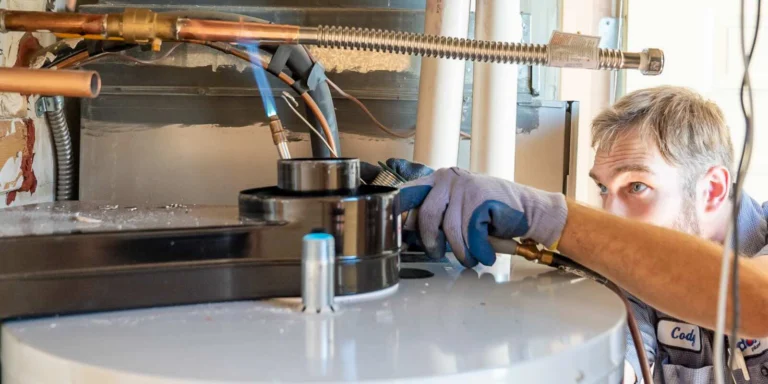
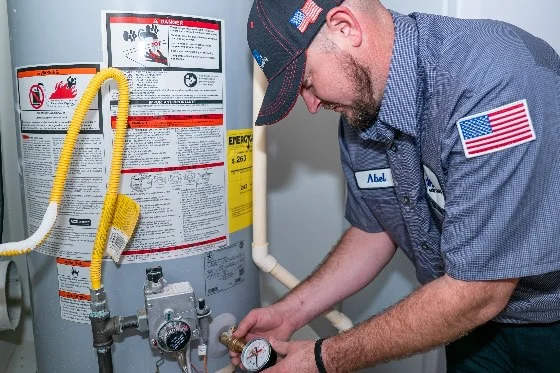
The water heater receives detailed attention during every plumbing inspection because it’s one of the most failure-prone components in the system. The technician checks:
- Tank condition: Signs of corrosion on the tank exterior, moisture or rust staining at the base indicating a slow leak
- Temperature and pressure relief valve: Testing the T&P valve to confirm it opens and reseats — a valve that doesn’t reseat is a flood risk
- Anode rod condition: The sacrificial anode rod protects the tank from internal corrosion; in Denver’s hard water it depletes faster than average and should be checked every few years
- Sediment level: Mineral scale from Colorado’s hard water settles at the bottom of the tank, insulating the heating element and causing rumbling during heating cycles
- Flue and venting (gas units): Checking that combustion gases are venting properly and the flue is undamaged
Fixture and Drain Inspection
Every accessible fixture is tested: faucets for dripping or reduced flow, toilets for running or rocking, showers for valve function and drain flow rate. The technician runs water at each fixture and observes drain speed — a bathtub that takes four minutes to drain after the stopper is pulled is telling you something about the drain line condition. Supply stop valves under sinks and behind toilets are visually inspected for corrosion and leaks at the compression fitting.
Sewer Line Camera Inspection (Optional)
For homes with older clay or cast iron sewer lines — common in Denver neighborhoods built through the 1970s — Done can add a camera inspection of the main sewer line to the service visit. A flexible camera threaded through a cleanout access point transmits real-time video of the pipe interior, revealing root intrusions, pipe sags, cracked joints, and grease buildup that can’t be detected any other way. If you’re buying a home, scheduling a sewer camera at the same time as a plumbing inspection is one of the most valuable steps you can take before closing.
What You Receive After the Inspection
After the inspection, the technician walks you through every finding — distinguishing between items that need attention now, items worth monitoring, and items in good condition. You’ll receive a clear picture of what needs repair, what’s approaching end-of-life, and what’s fine as-is. Done provides upfront pricing for any recommended repairs so you can make informed decisions without pressure. There’s no obligation to proceed with repairs at the same visit.
To schedule a plumbing inspection, explore Done’s plumbing services or contact Done directly. For water heater-specific service, visit the water heater maintenance page. If you’d like ongoing coverage, a Care Club membership includes priority scheduling and maintenance benefits across all of Done’s service trades.