A pressure vacuum breaker (PVB) is a type of backflow prevention device installed on irrigation systems and outdoor hose connections to stop contaminated water from being siphoned back into your home’s drinking water supply. It’s the most common backflow preventer found on residential sprinkler systems in the Denver metro area and is required by most Colorado water utilities.
What Backflow Is and Why It Matters
Backflow happens when water pressure in a supply line drops suddenly — during a water main break, heavy firefighting demand, or a sudden surge of water use in the neighborhood — creating a vacuum that can pull water backward through open connections. If your sprinkler system is running when this happens, water that has been sitting in your irrigation lines (mixed with soil, fertilizer, pesticides, or pet waste) can be pulled back into your home’s potable water supply.
This isn’t a theoretical risk. It’s the reason Colorado water utilities require backflow prevention on all irrigation connections, and it’s why the devices must be tested annually by a certified backflow tester in most jurisdictions.
How a Pressure Vacuum Breaker Works
A PVB contains a spring-loaded check valve and an air inlet vent. Under normal operating conditions, water pressure holds the check valve open and keeps the air inlet closed, so water flows freely into the irrigation system. If pressure upstream drops — creating a backflow condition — the check valve snaps shut and the air inlet opens simultaneously. Air enters the device and breaks the vacuum, preventing contaminated water from being pulled backward into the supply line.
PVBs must be installed at least 12 inches above the highest downstream outlet — meaning above the highest sprinkler head in the system. This elevation requirement is part of what makes them effective and is non-negotiable under Colorado plumbing code.
PVBs and Colorado’s Climate
Colorado’s freeze-thaw cycles make PVB maintenance especially important on the Front Range. PVBs installed outdoors — which is most of them — must be winterized before the first hard freeze, typically in October. The device needs to be drained and the shutoff valves closed, or the internal components can crack and fail.
After a hard winter, PVBs sometimes begin leaking from the bonnet vent or fail their annual test. A leaking PVB is not just a nuisance — it can indicate that the check valve or air inlet seat has failed and the device is no longer providing reliable backflow protection. In that case, repair or replacement is needed before the irrigation season begins.
Annual Testing Requirements
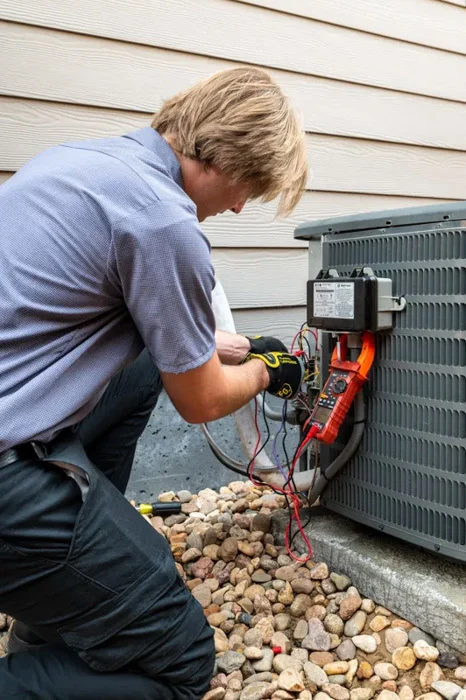
Most Colorado water districts require that backflow prevention assemblies — including PVBs — be tested annually by a state-certified backflow prevention assembly tester. The test verifies that the check valve is seating properly and that the air inlet is functioning. Results are submitted to the water utility, and failed devices must be repaired or replaced before the account is brought back into compliance.
If you’ve received a notice from your water utility requiring a backflow test, that test needs to happen through a certified professional — not a general plumber unless they hold the specific backflow tester certification required by the state.
PVB vs. Other Backflow Preventers
PVBs are appropriate for residential irrigation systems where the hazard level is considered low to moderate. Higher-hazard applications — commercial irrigation using reclaimed water, chemical injection systems, or connections with a continuous cross-connection risk — require a reduced pressure zone (RPZ) assembly instead, which provides a higher level of protection. If you’re unsure which device your system requires, a licensed plumber with backflow certification can assess your installation.
Done’s plumbers handle backflow preventer installation, testing, repair, and winterization throughout the Denver area. Visit our pressure and backflow services page for more information, or see our full range of plumbing services if you have other plumbing needs this season.