Smoke detectors and carbon monoxide (CO) detectors protect against two completely different threats — and neither device can do the other’s job. Smoke detectors respond to combustion particles in the air, alerting you to fire. CO detectors sense an odorless, colorless gas that can build up from a malfunctioning furnace, boiler, water heater, or attached garage, and kill occupants before they ever wake up. Every home with fuel-burning appliances or an attached garage needs both.
Why CO Is Called the Silent Killer
Carbon monoxide has no smell, no taste, and no color. At low levels it causes headaches, dizziness, and nausea that are easy to mistake for the flu. At higher concentrations it can cause unconsciousness within minutes. Because symptoms come on gradually and your judgment becomes impaired before you realize danger is present, a CO alarm is your only reliable early warning. Smoke detectors simply cannot detect CO — they are engineered to sense particles, not gas molecules.
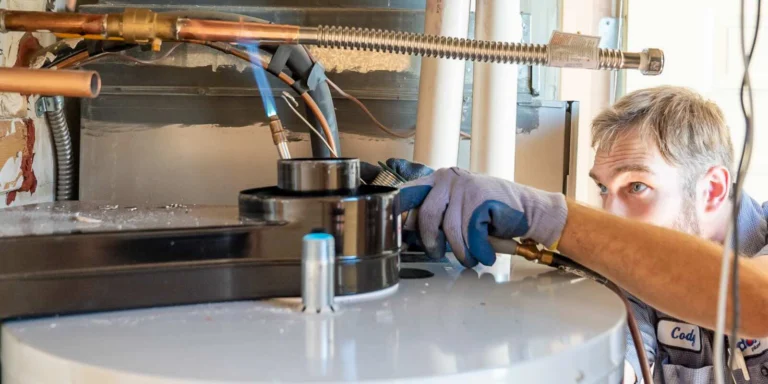
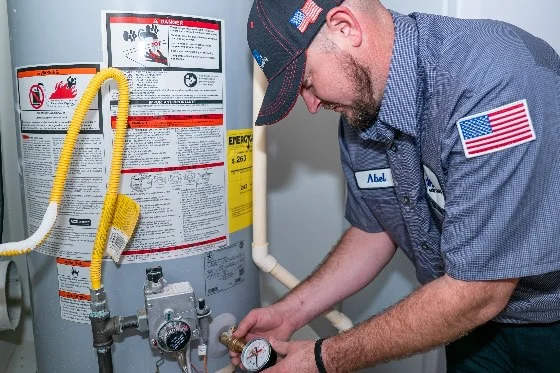
In Colorado, where homes run furnaces hard for six or seven months a year, the risk is real. A cracked heat exchanger, blocked flue, or improperly vented water heater can allow combustion byproducts to seep into living spaces. Add in attached garages — common in Denver and Front Range homes — and the potential sources multiply.
Why Smoke Detectors Alone Are Not Enough
On the flip side, a CO detector will not alert you to a fire. Smoke detectors use either ionization sensors (better for fast-flaming fires) or photoelectric sensors (better for slow, smoldering fires) to detect combustion particles. Some models use both technologies. Without working smoke detectors in the right locations, you lose critical escape time — the difference between a fire you can exit and one that traps you.
Colorado’s dry, low-humidity climate and frequent use of wood-burning fireplaces and gas appliances make fire risk a year-round consideration, not just a winter one. Wildfire smoke seasons also underscore how seriously the region takes air quality and combustion hazards.
Placement and Maintenance Best Practices
Proper placement matters as much as having the devices at all. General guidelines from the National Fire Protection Association and Colorado fire codes recommend:
- Smoke detectors on every level of the home, inside each bedroom, and outside every sleeping area
- CO detectors on every level and within ten feet of each sleeping area
- Both types tested monthly and replaced per manufacturer instructions (typically every 7–10 years for smoke detectors, 5–7 years for CO detectors)
- CO detectors kept away from kitchens and garages to avoid nuisance alarms, but placed near attached-garage walls and near fuel-burning appliances
- Interconnected alarms (wired or wireless) so a trigger in the basement wakes everyone upstairs
Combination Units vs. Separate Devices
Combination smoke/CO detectors are available and can simplify installation, but separate dedicated units often provide better sensitivity and clearer alarm differentiation (smoke vs. CO alarms have distinct tones so you know which emergency you’re dealing with). A licensed electrician can install hardwired, interconnected alarms throughout your home — a more reliable solution than battery-only units, which can fail silently if batteries die.
When Your Heating System Is the Concern
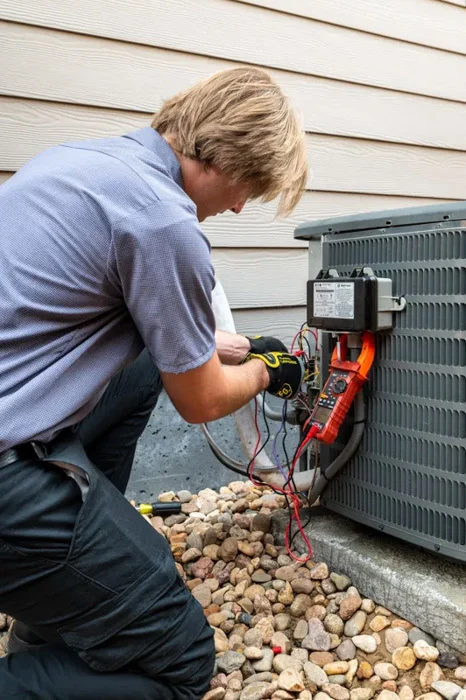
If your CO detector goes off, leave the home immediately, leave the door open, and call 911 from outside. Once the all-clear is given, have a licensed HVAC technician inspect your heating system — particularly the furnace heat exchanger — before running it again. A cracked heat exchanger is one of the most common CO sources in Colorado homes and is impossible to detect without professional equipment. Annual furnace maintenance includes a heat-exchanger inspection and is one of the most important steps you can take for your family’s safety.
Done’s licensed electricians can install or upgrade your smoke and CO detection system so every room is covered and every alarm is interconnected. Schedule a safety consultation and give your family the protection they deserve.